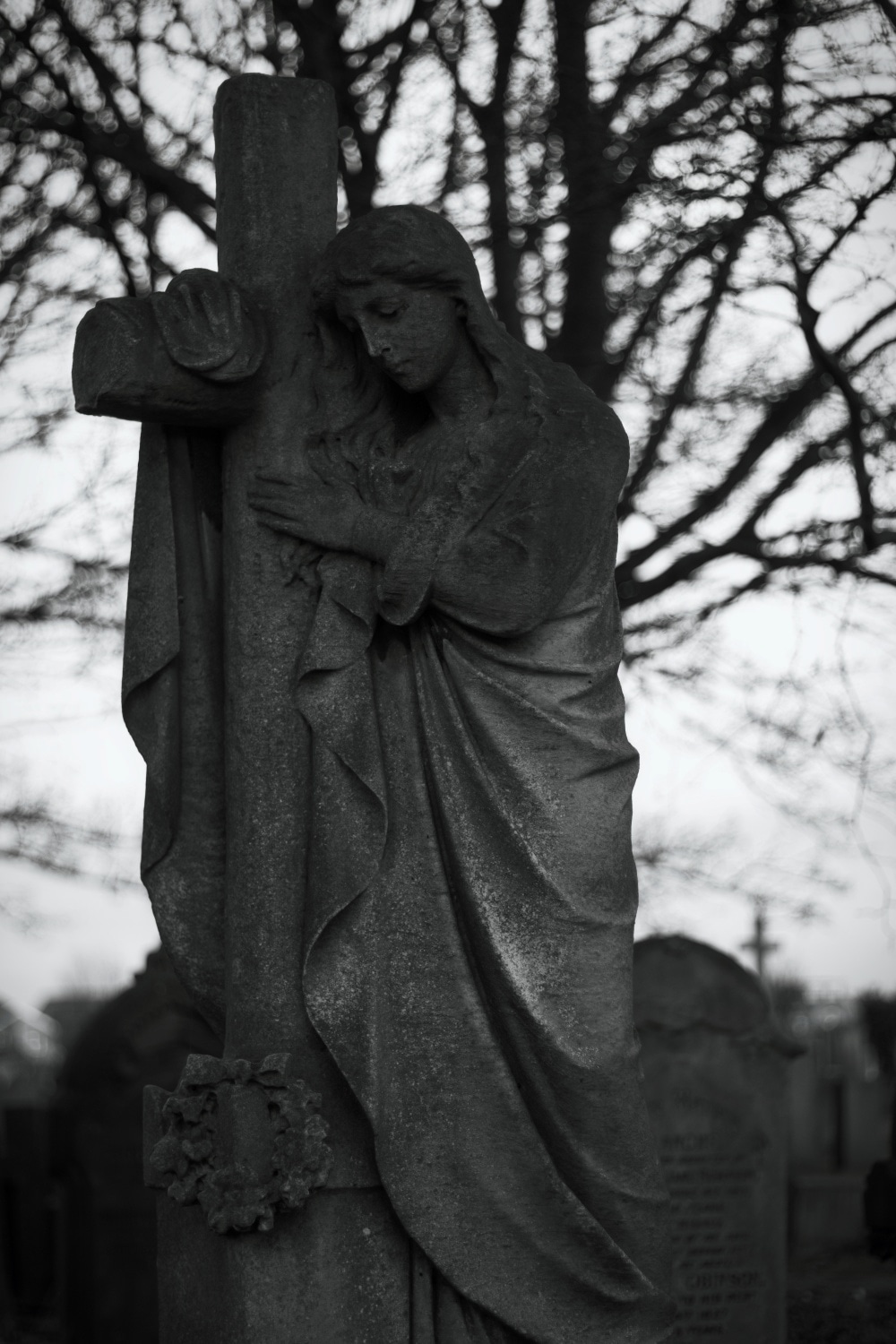
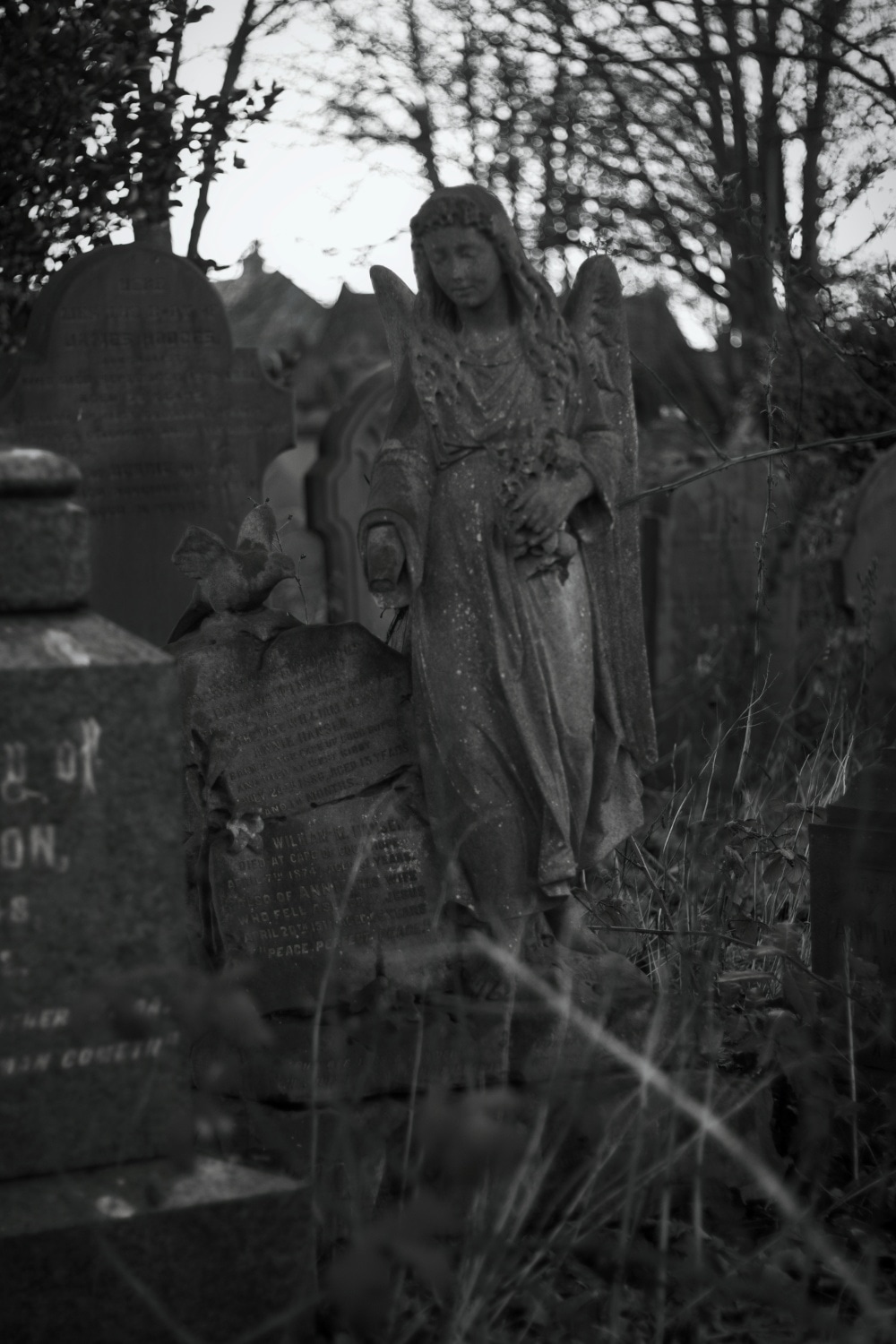
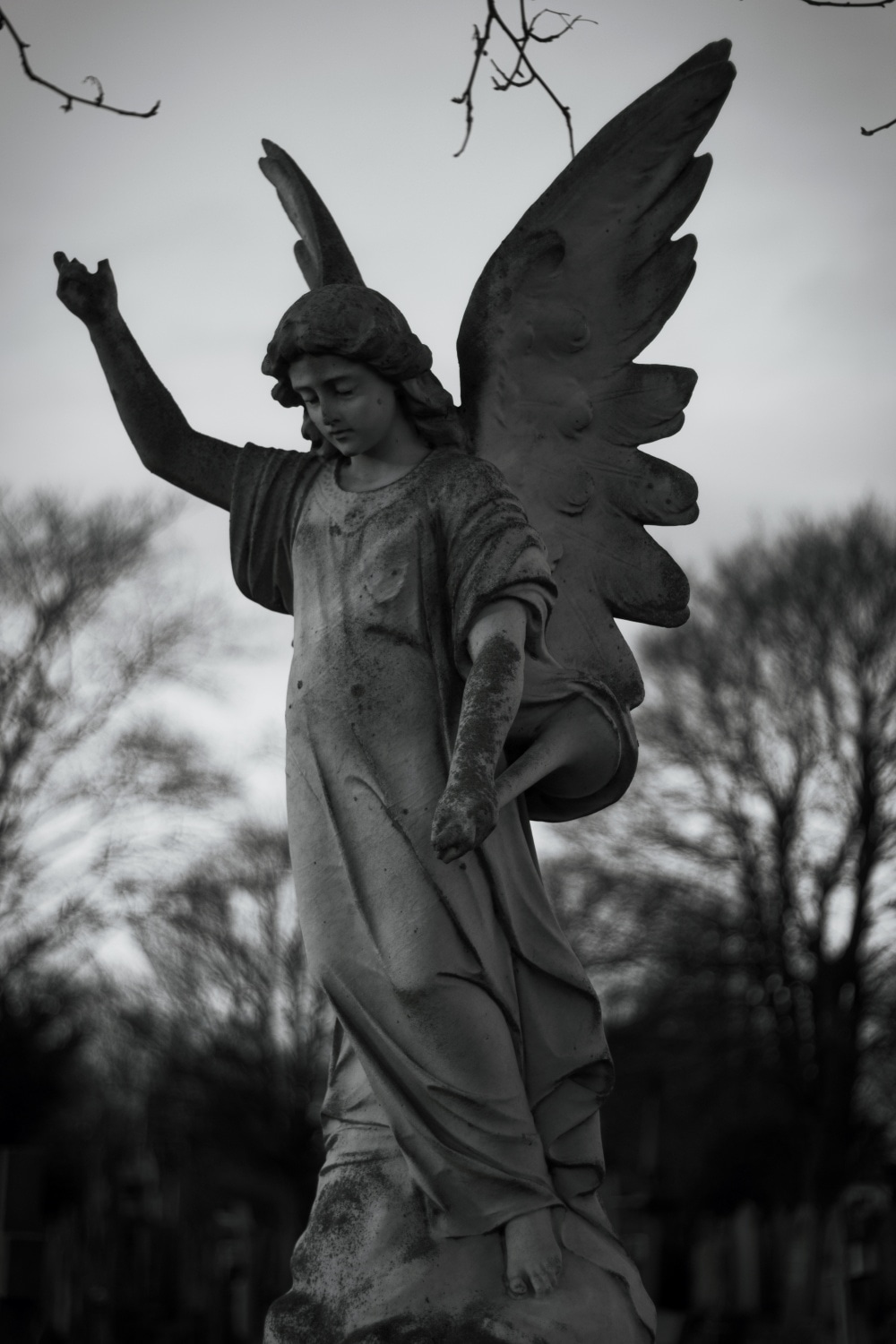
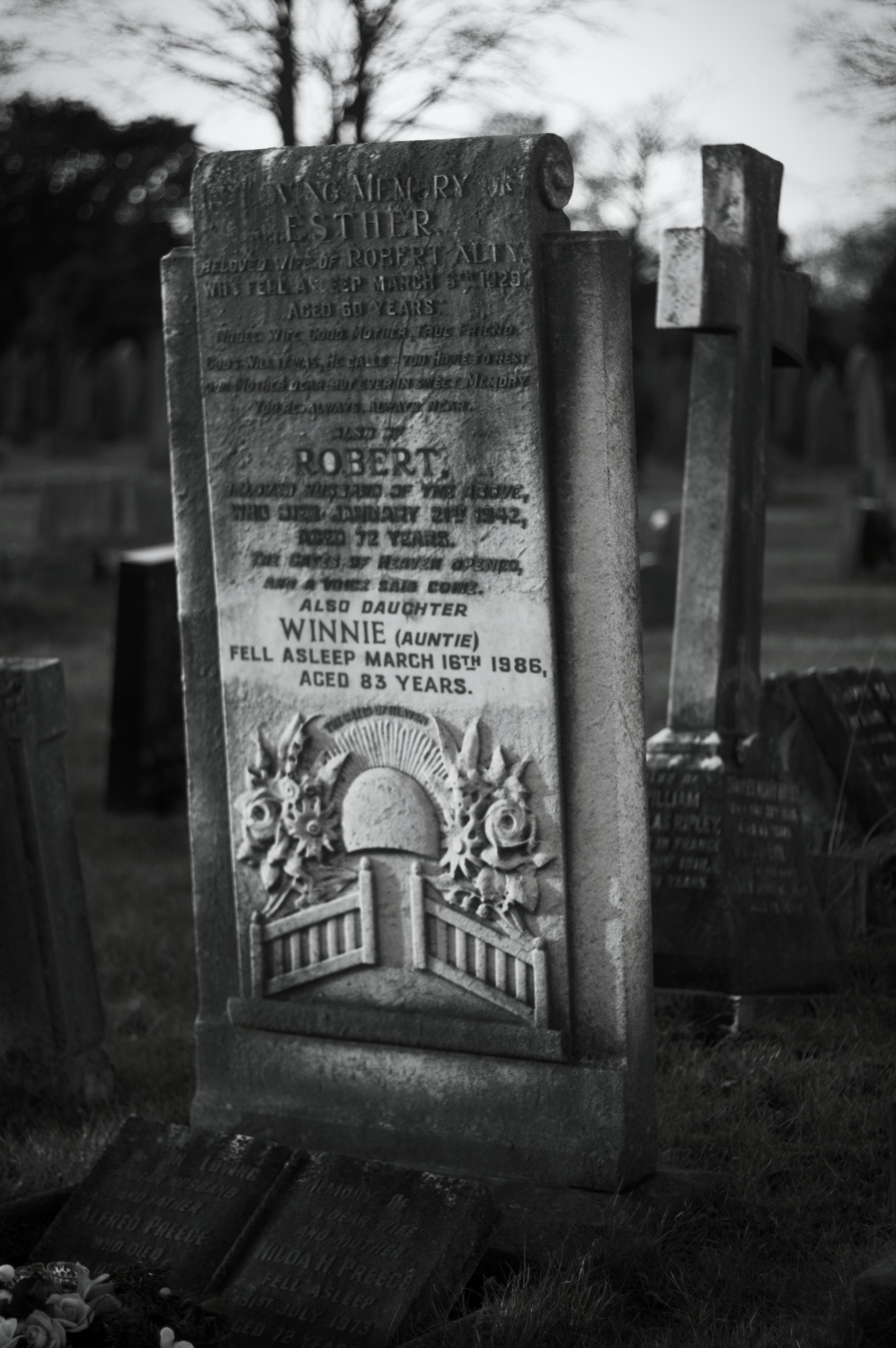
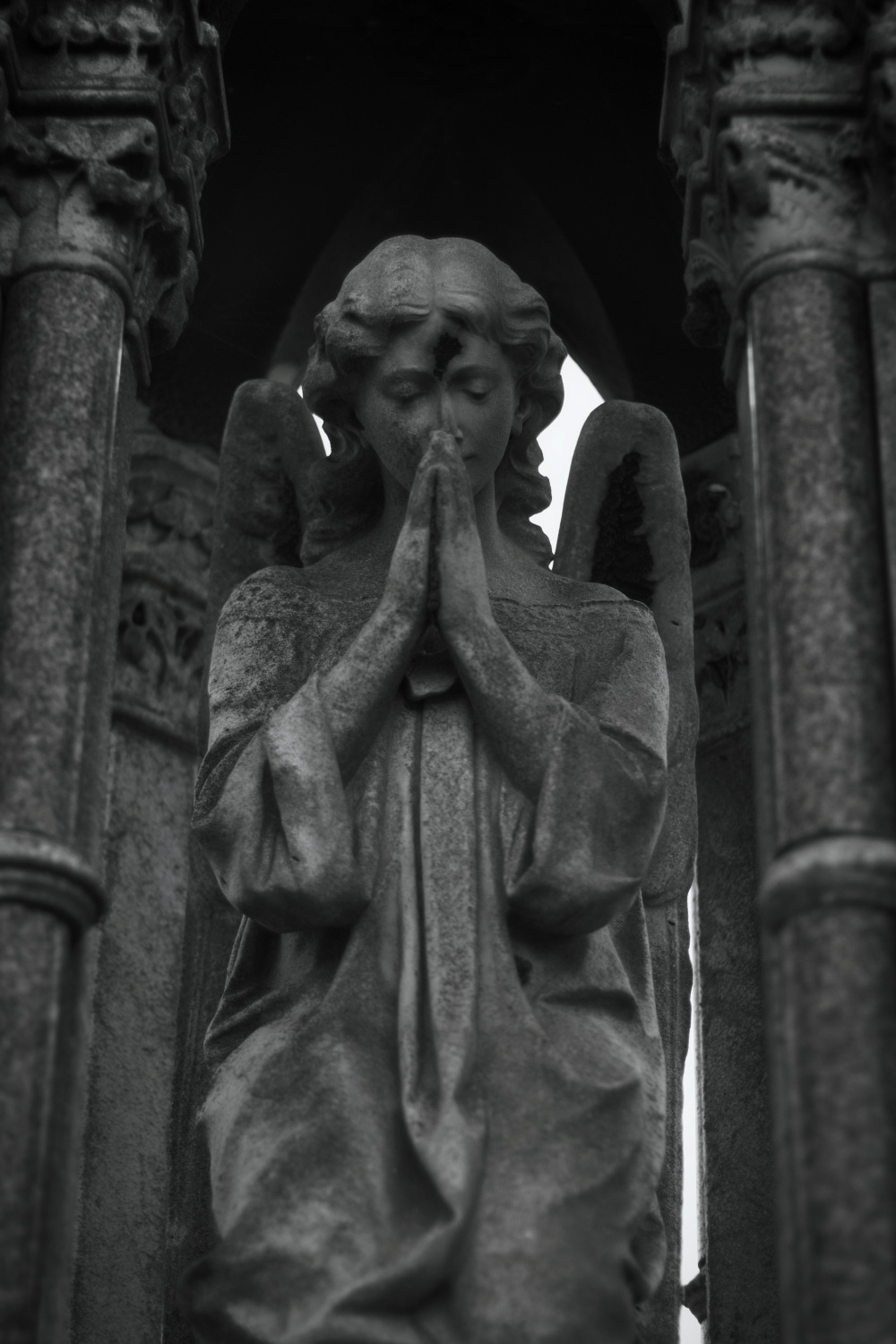
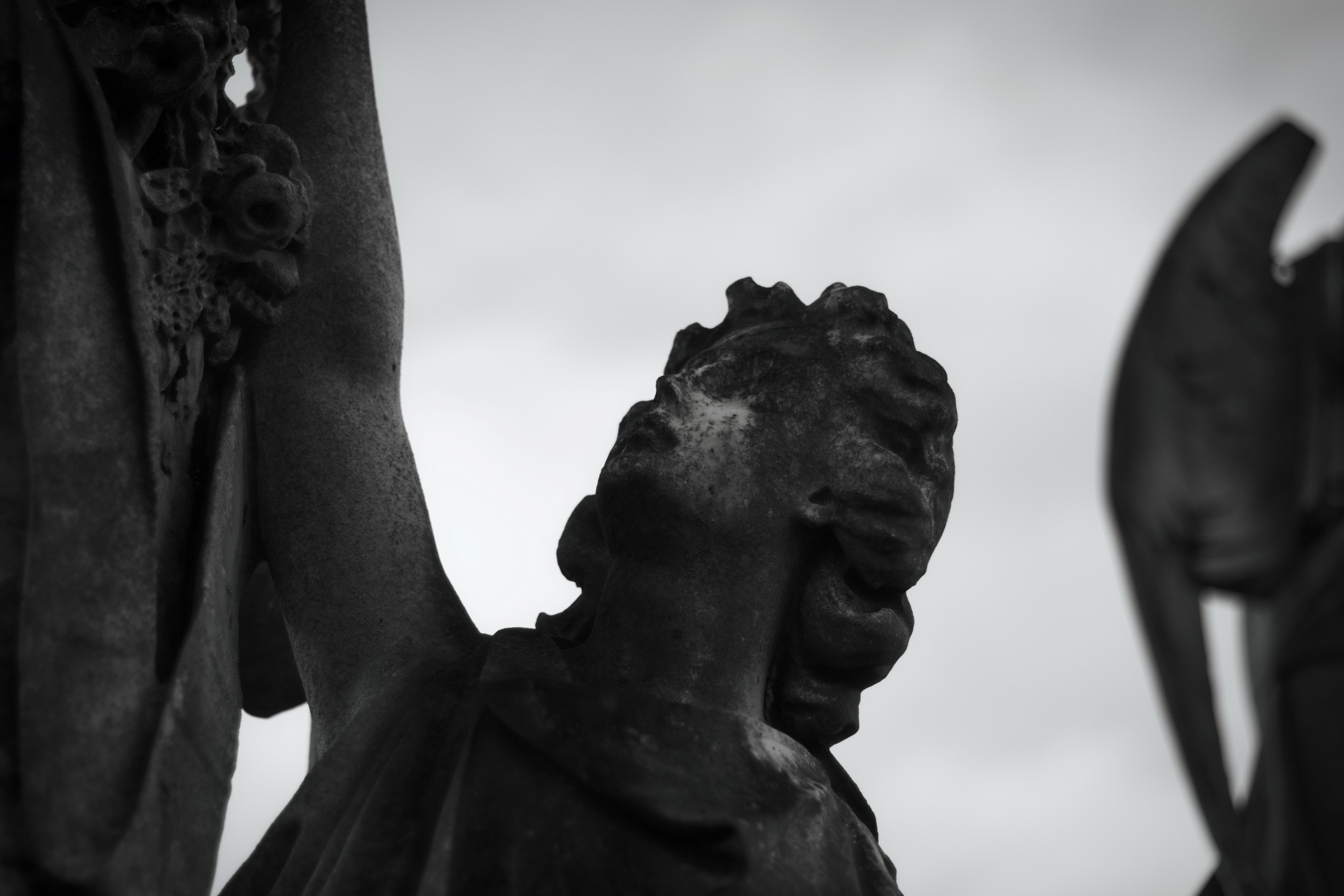
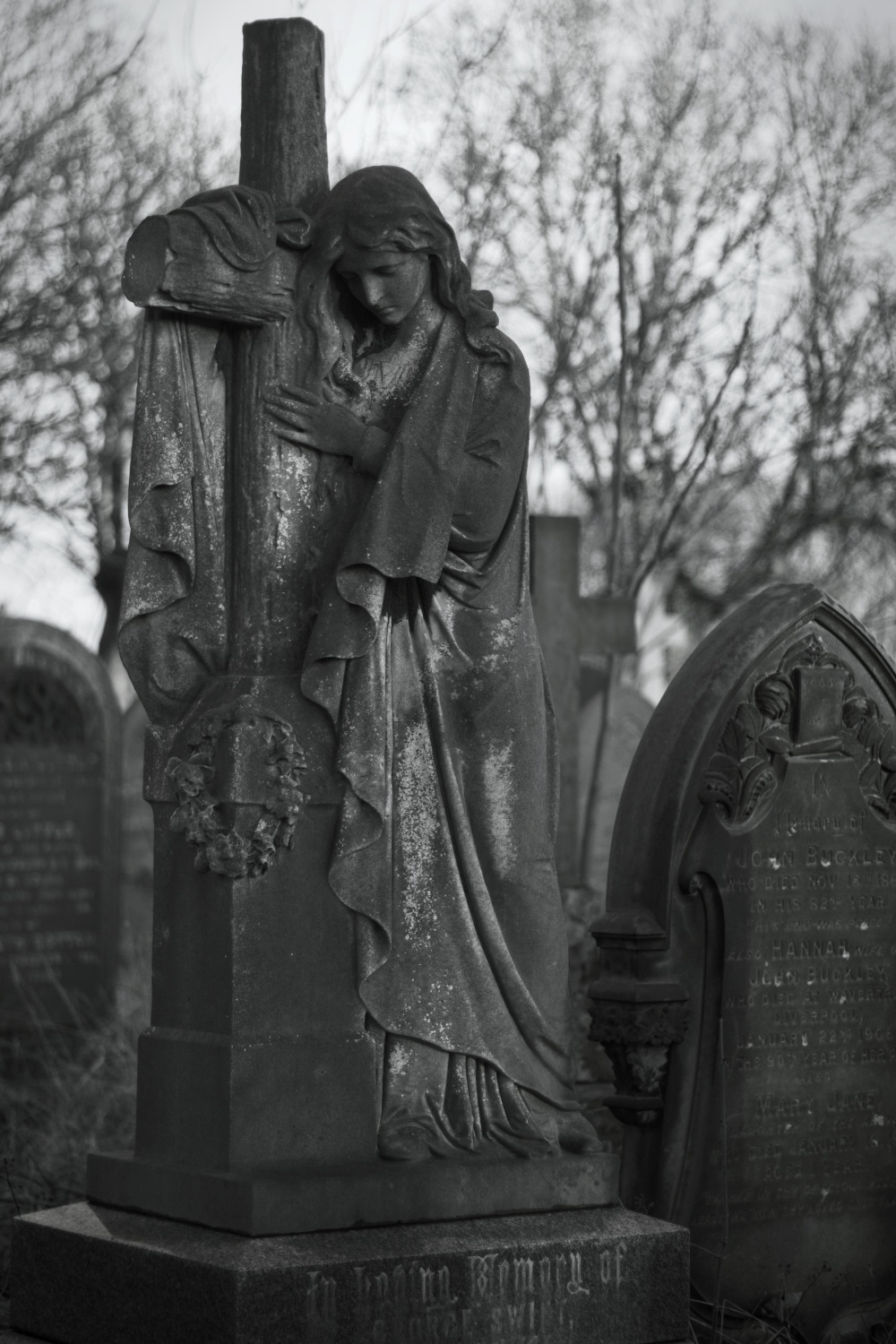
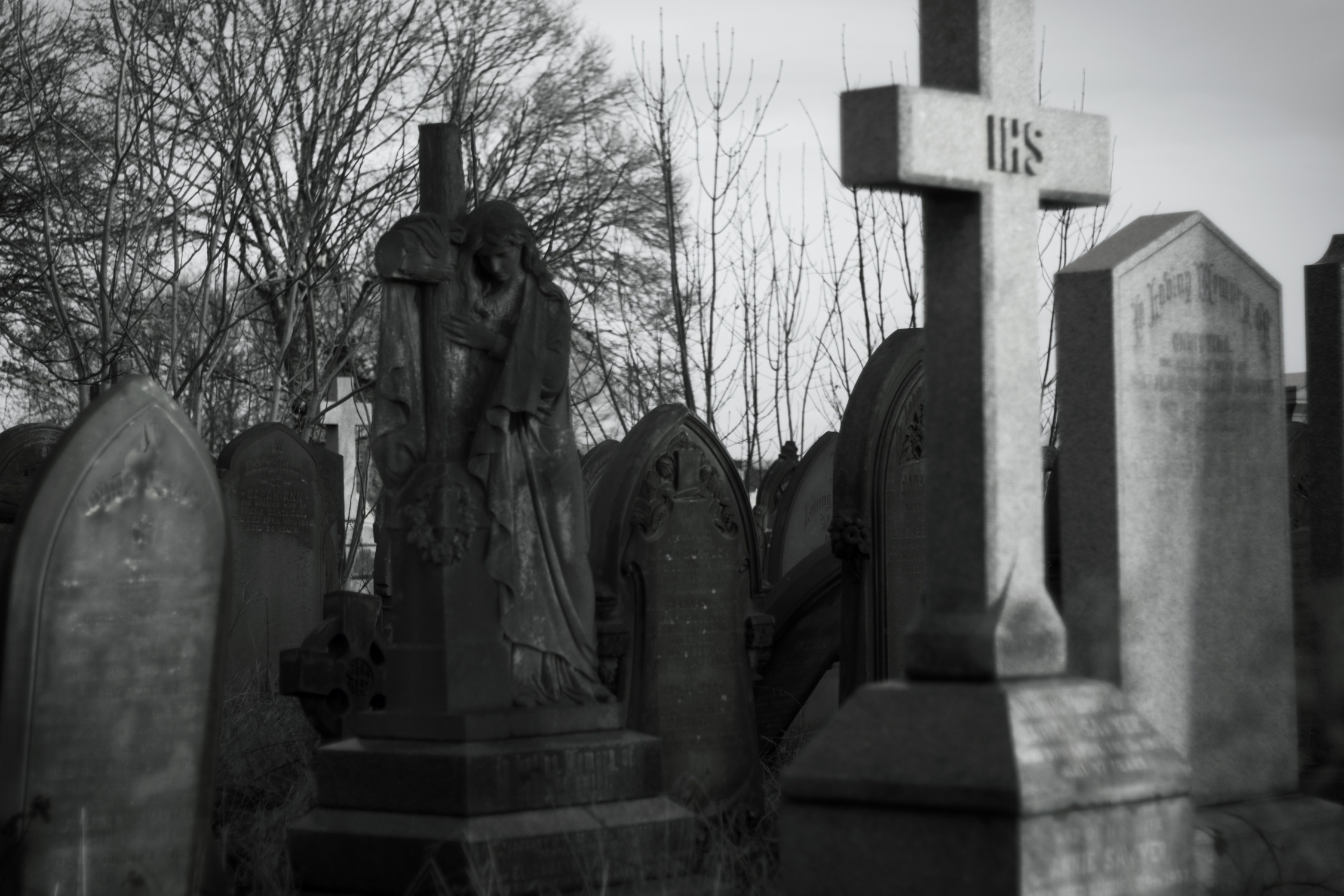
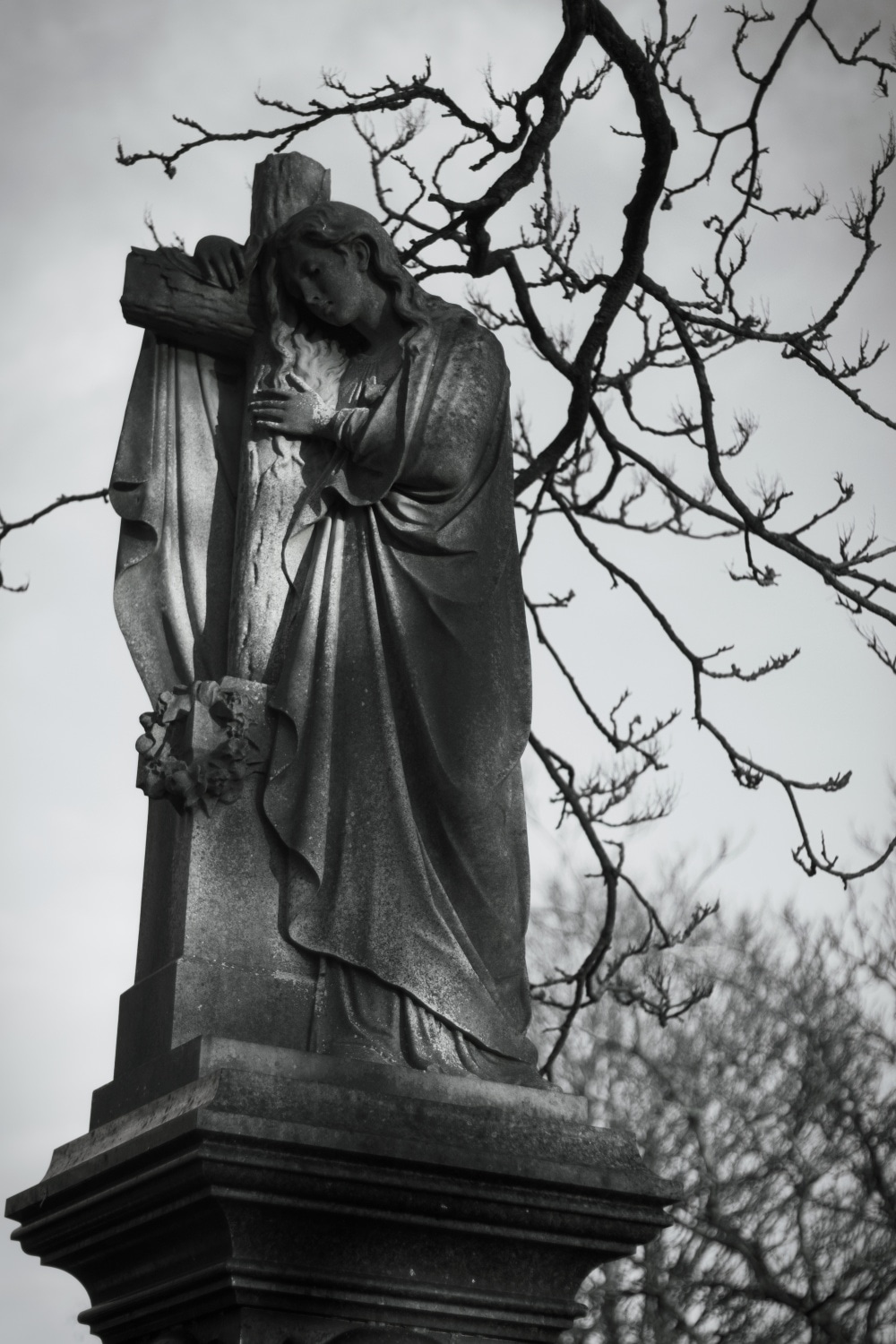
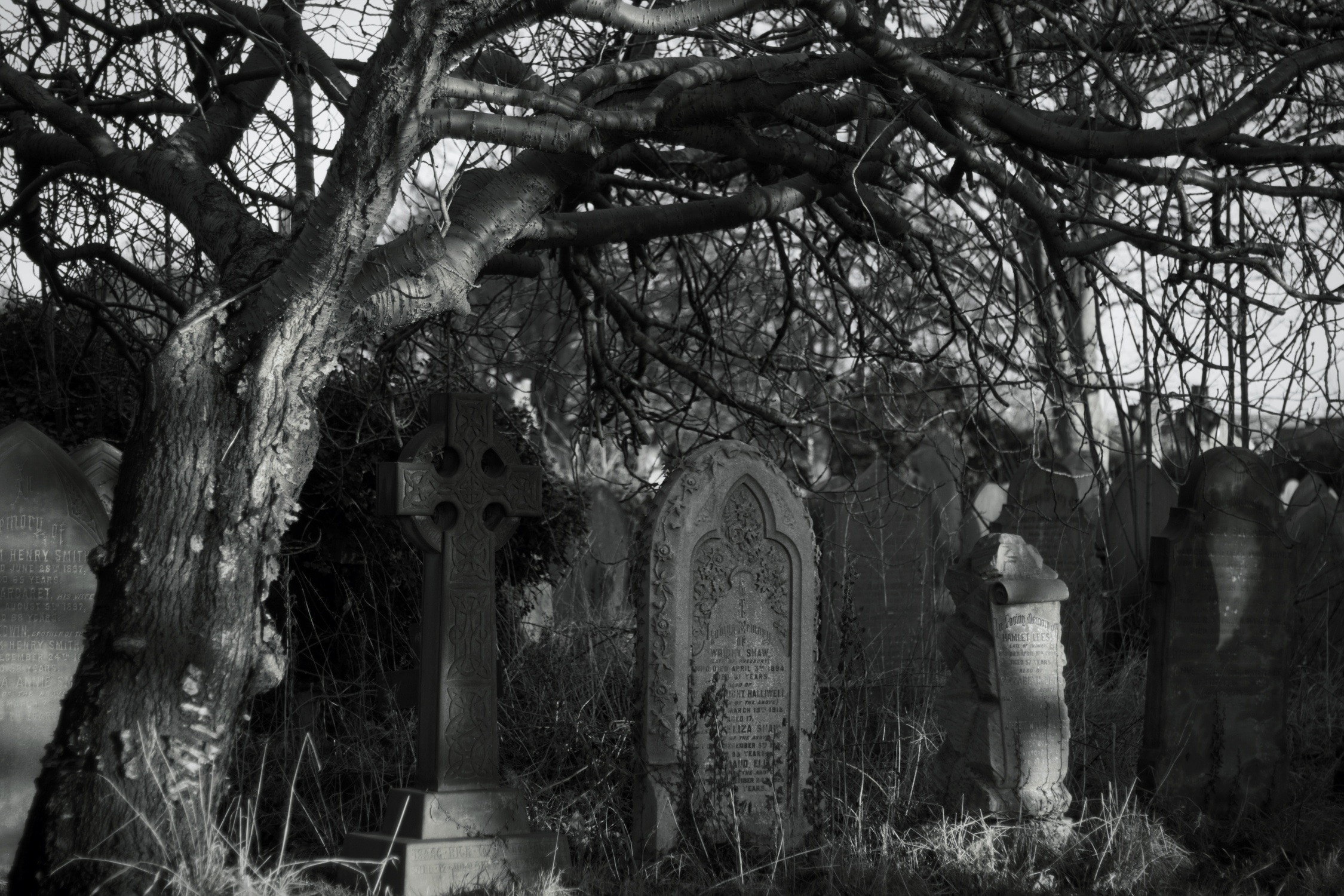
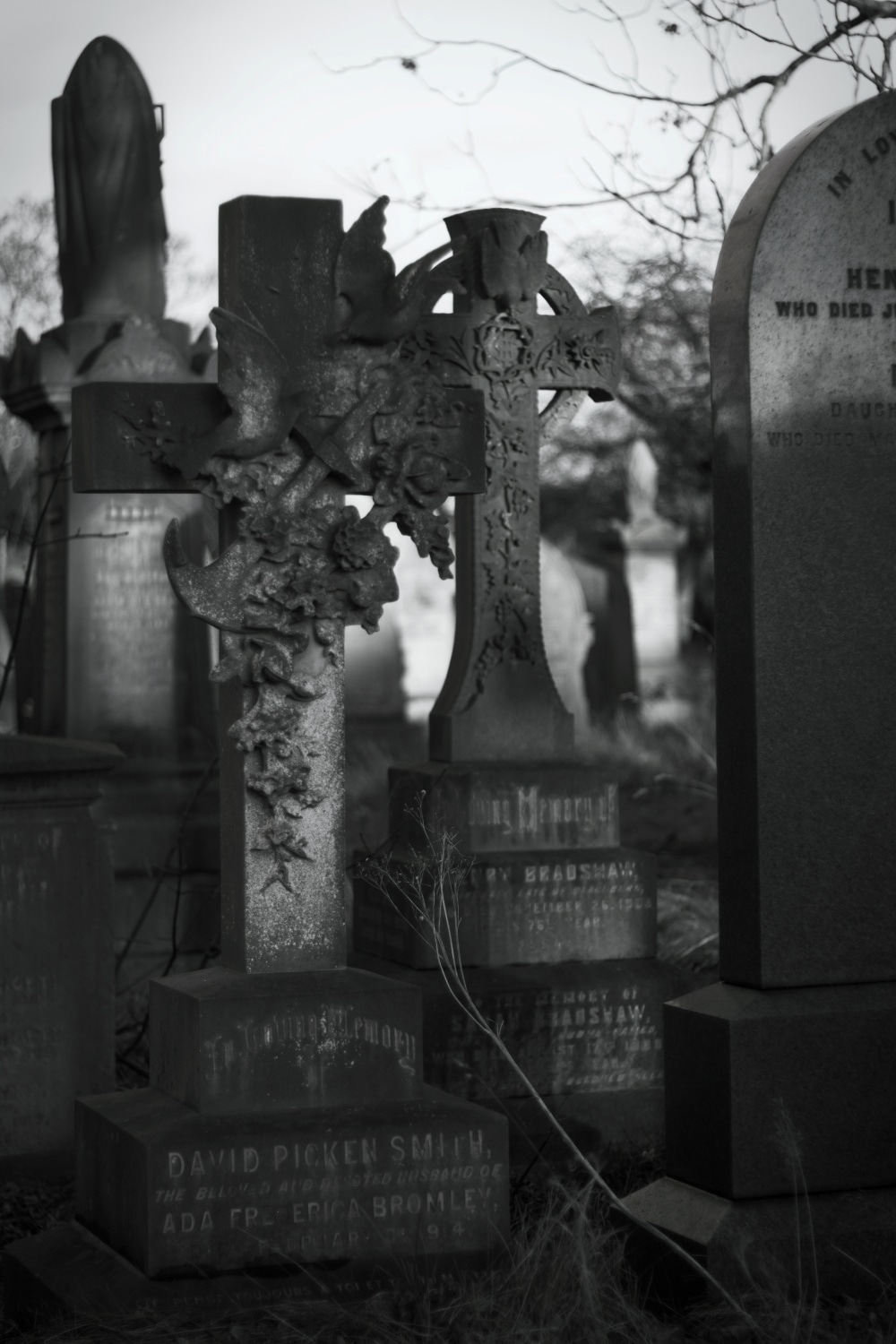
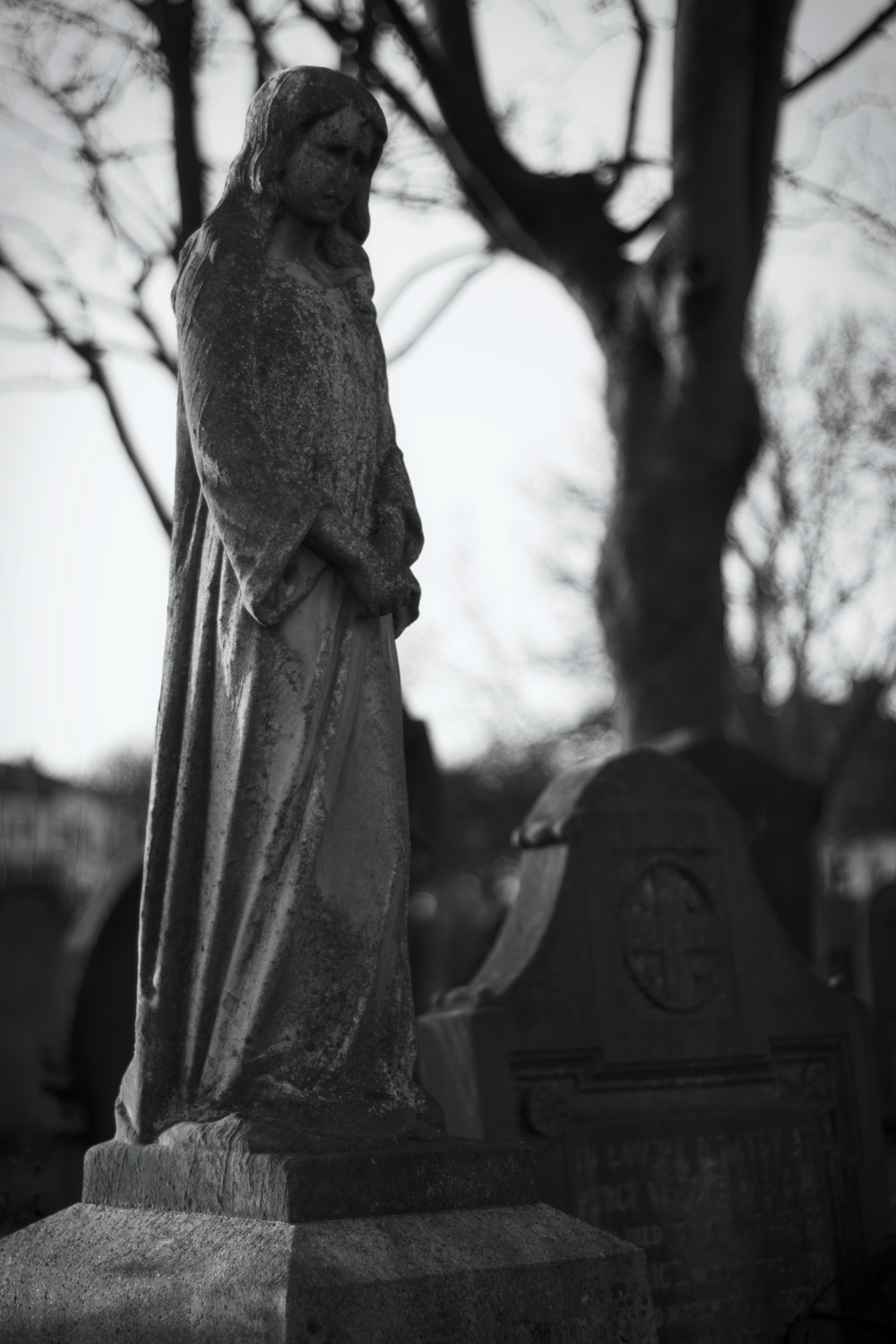
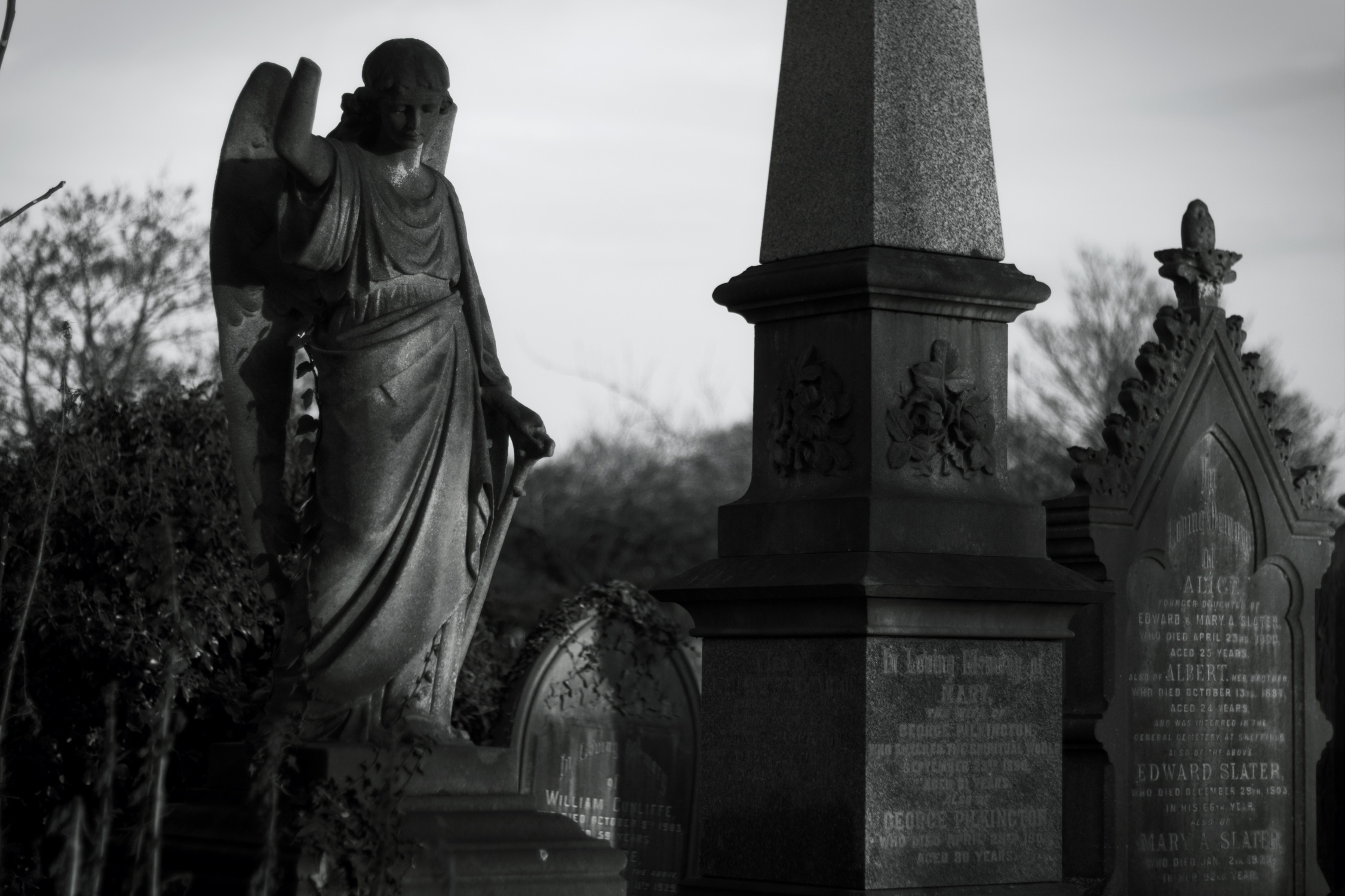
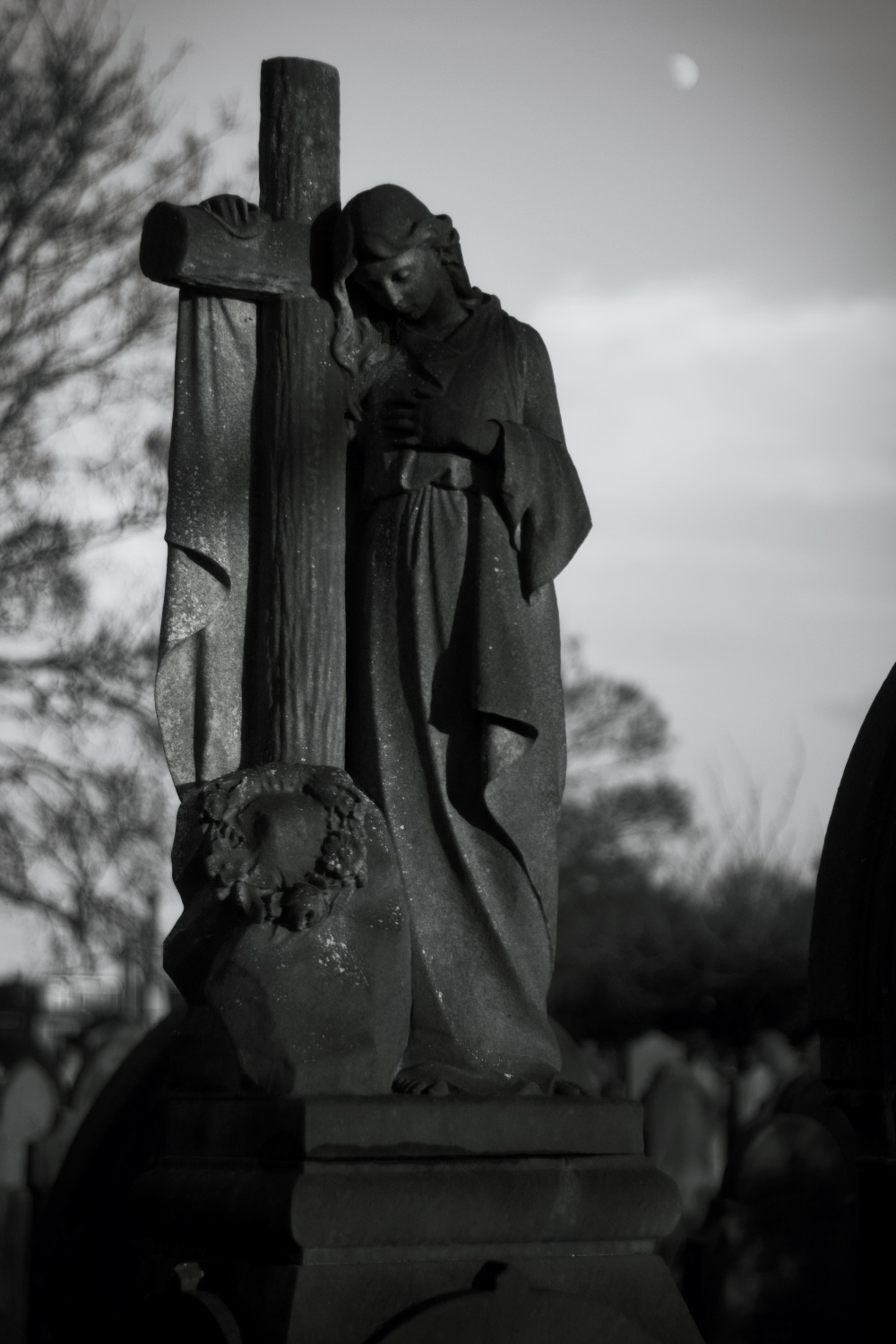
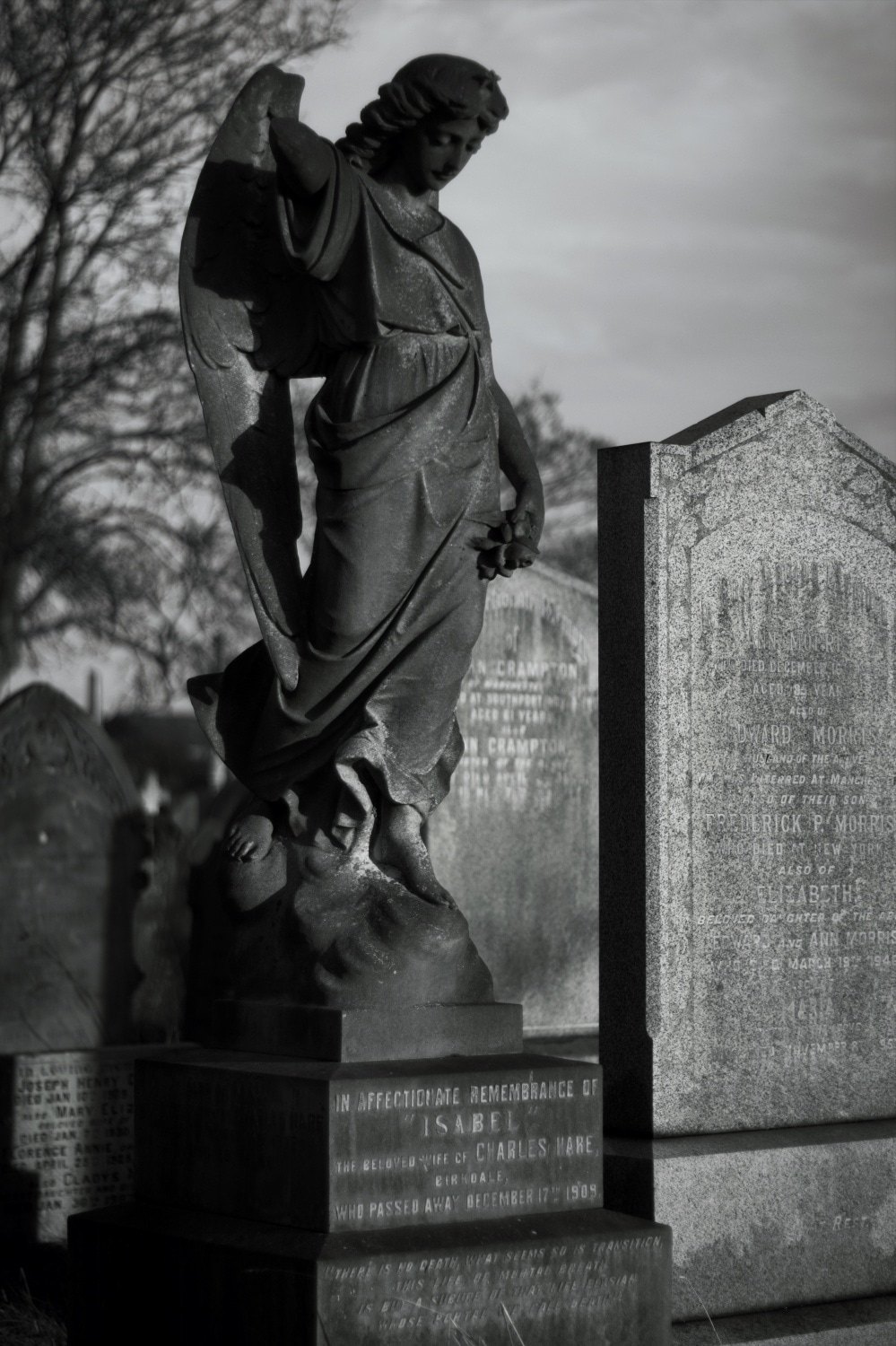
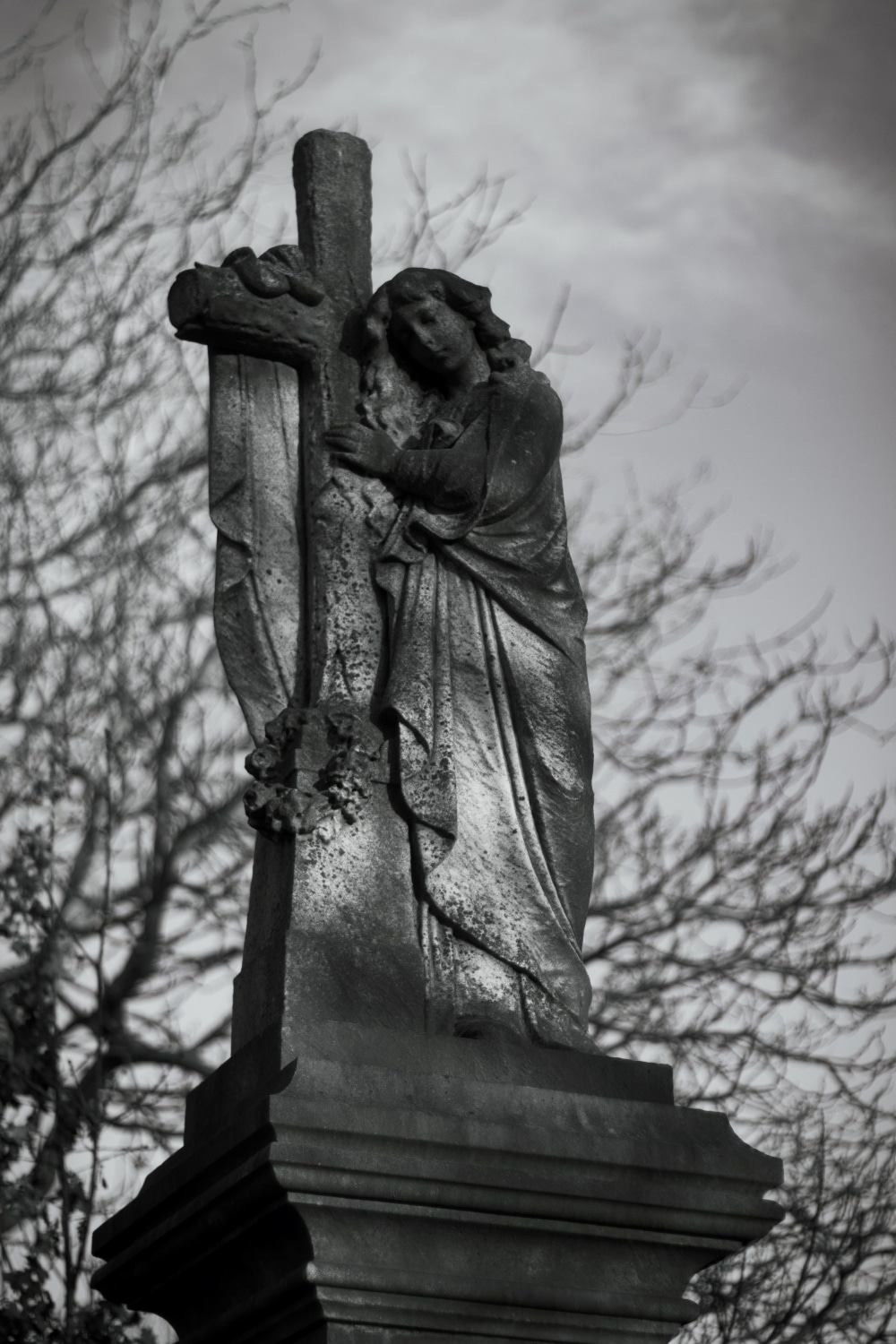
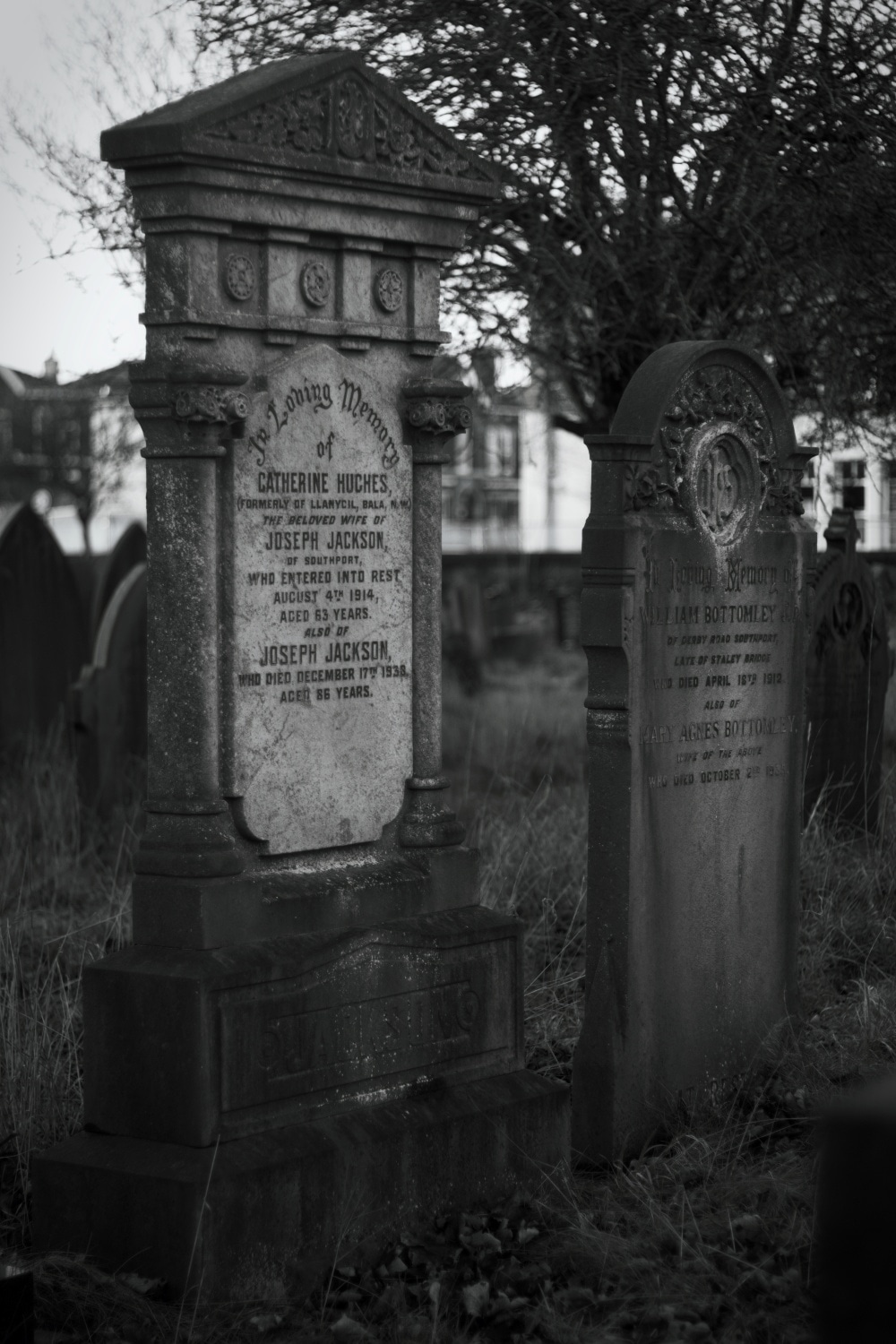
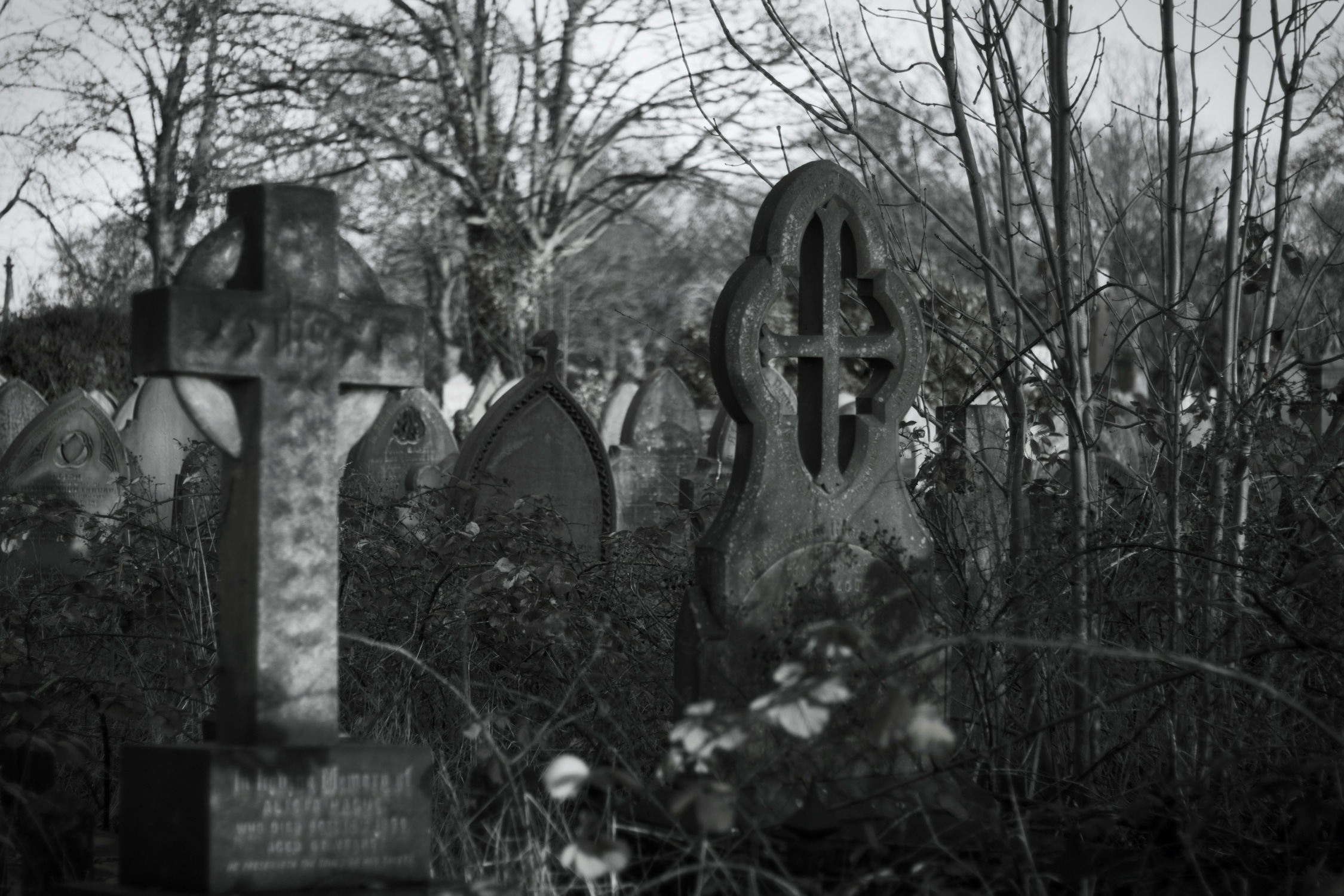
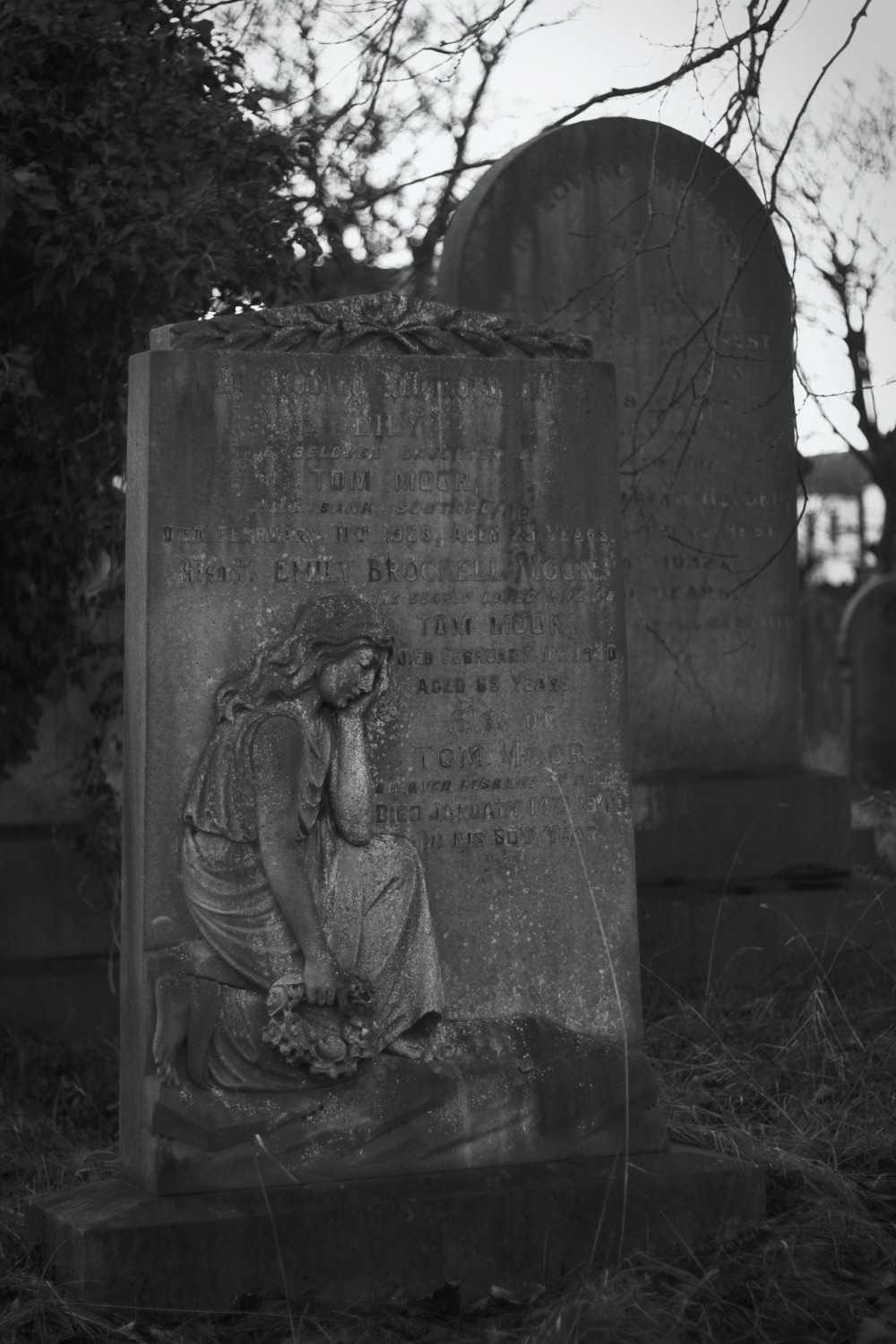
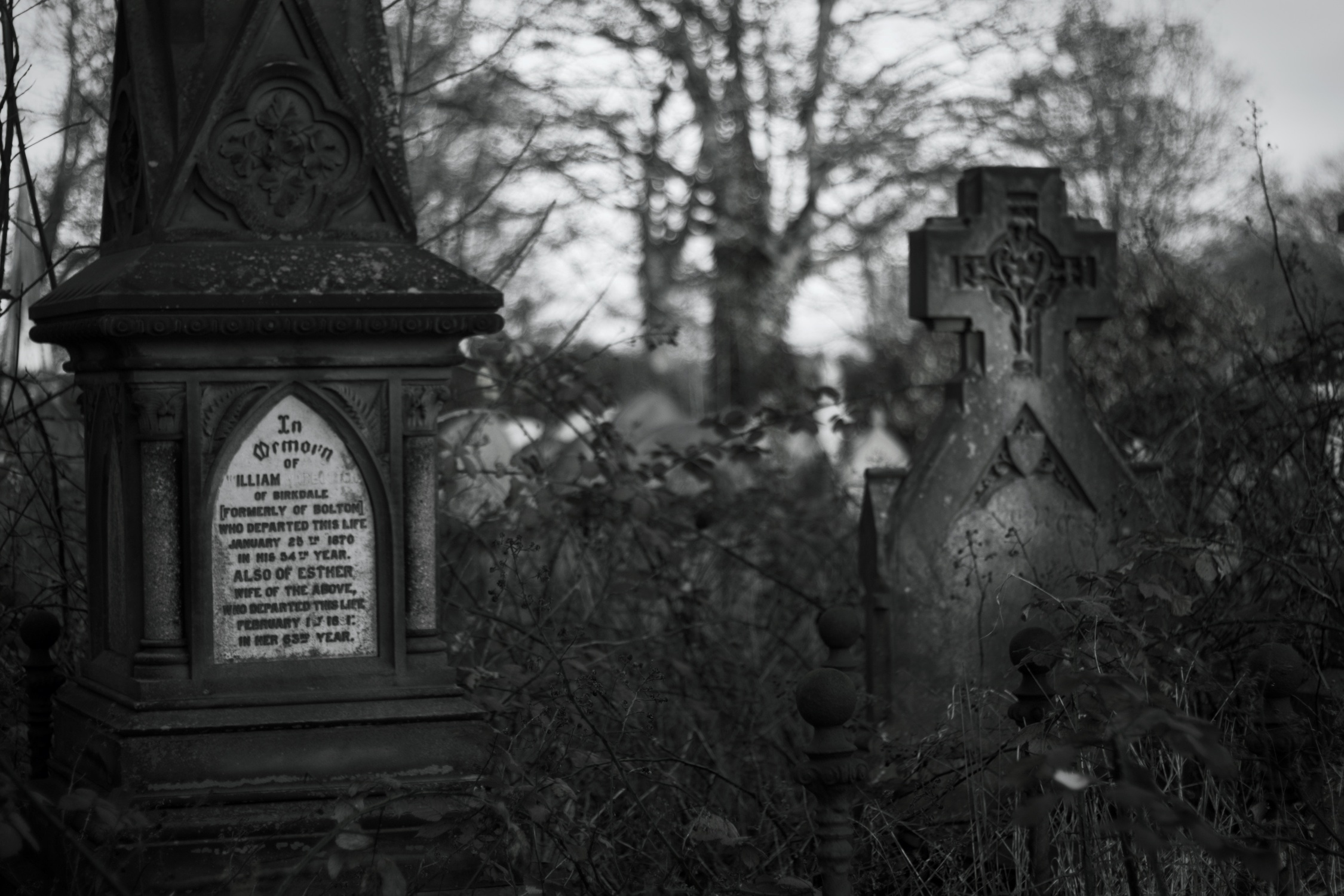
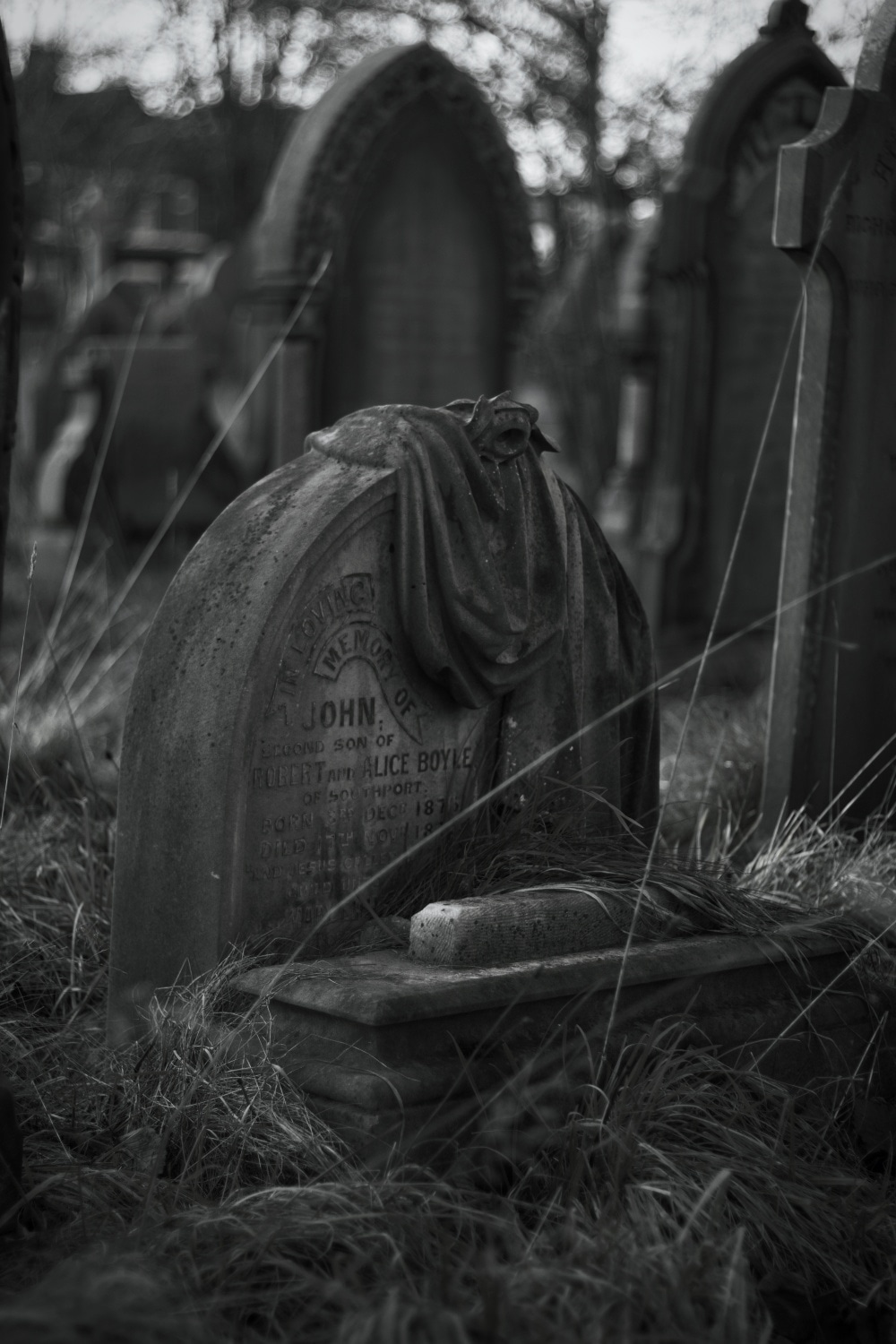
Duke Street Cemetery, historically known as Southport Cemetery, is a public cemetery in Southport, Merseyside.
It opened in 1866 and is the oldest cemetery administered by Sefton Council.
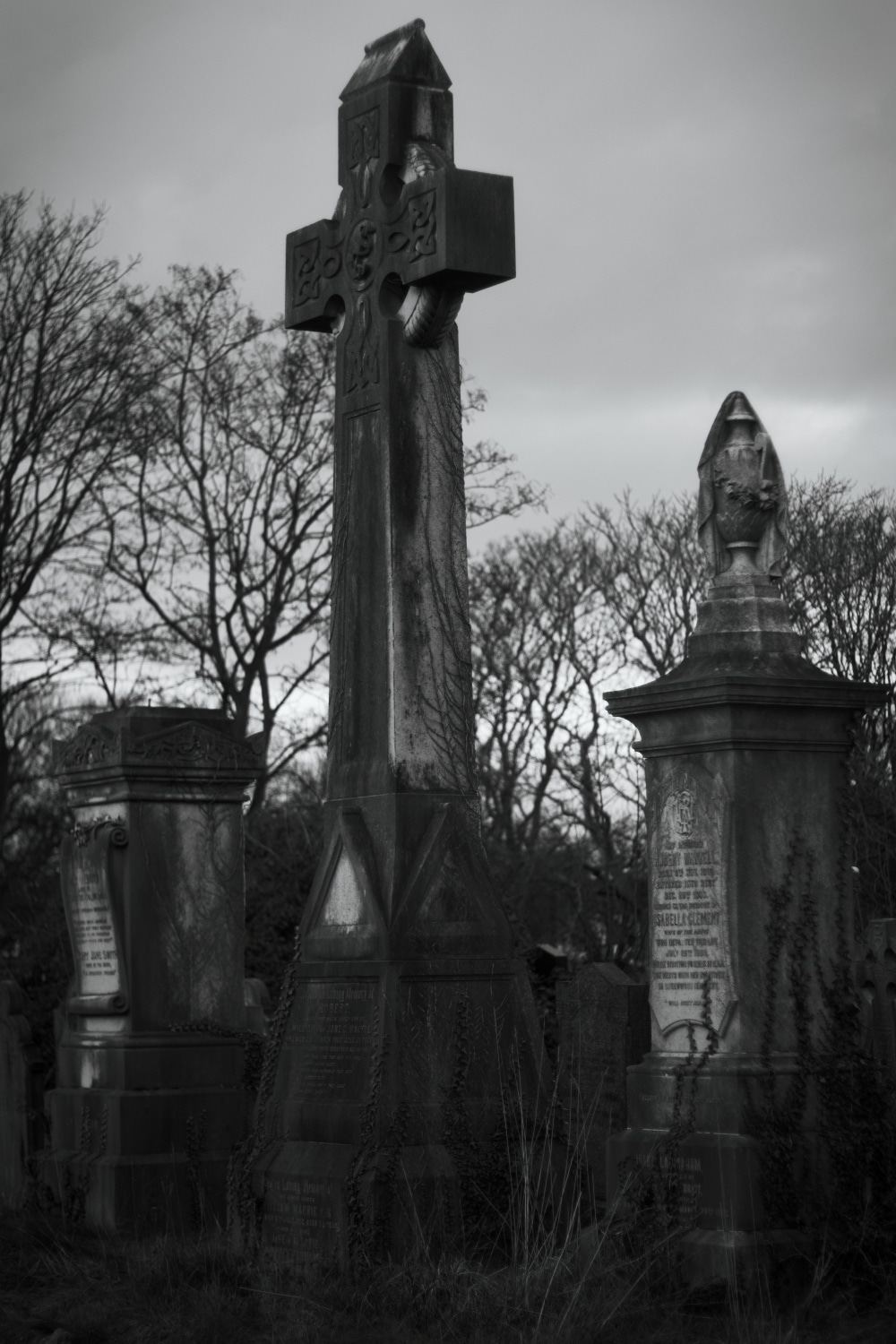
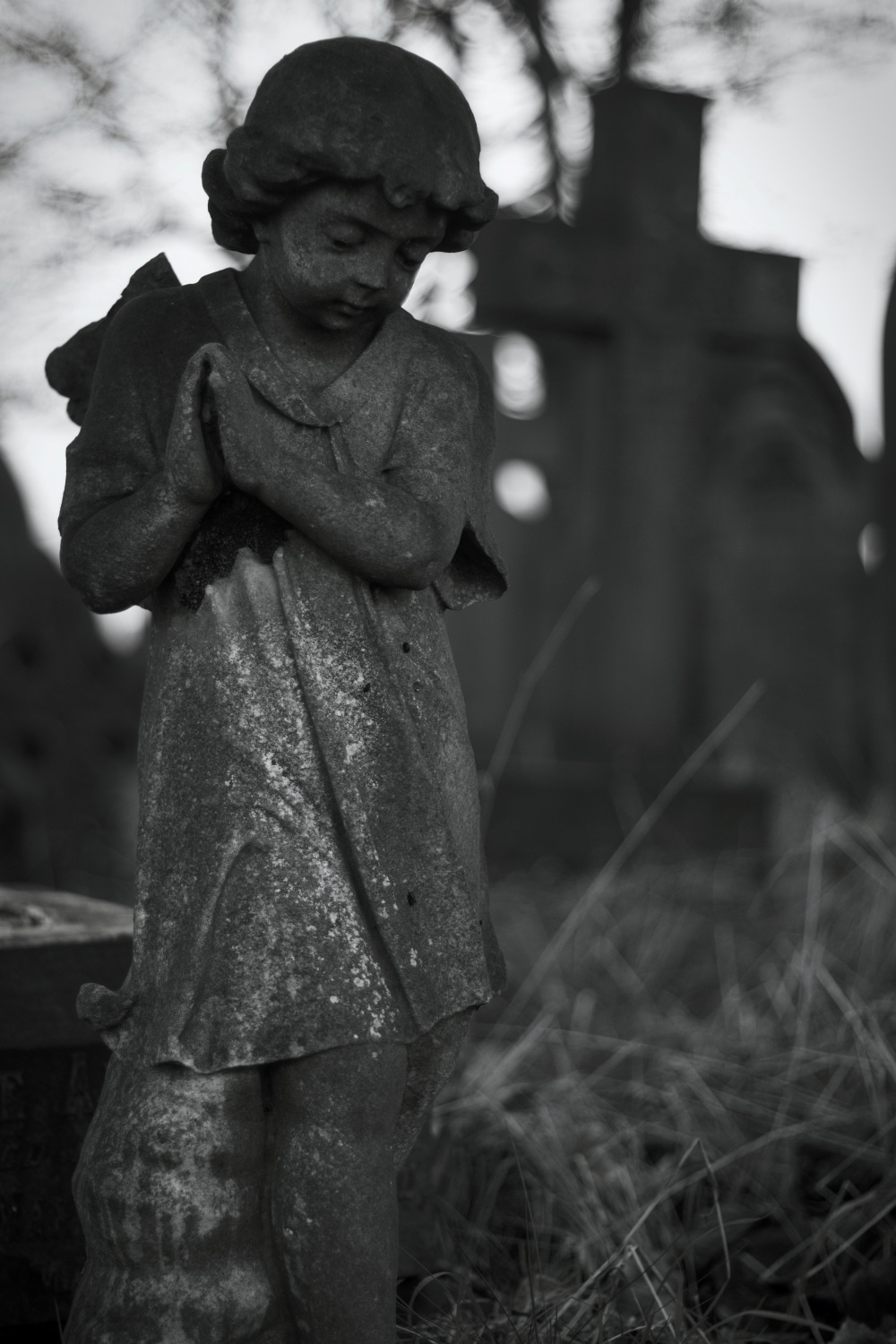
The older section was laid out by landscape architect Edward Kemp. The cemetery includes Victorian memorials, three Grade II listed structures, and Commonwealth war graves from the First and Second World Wars.
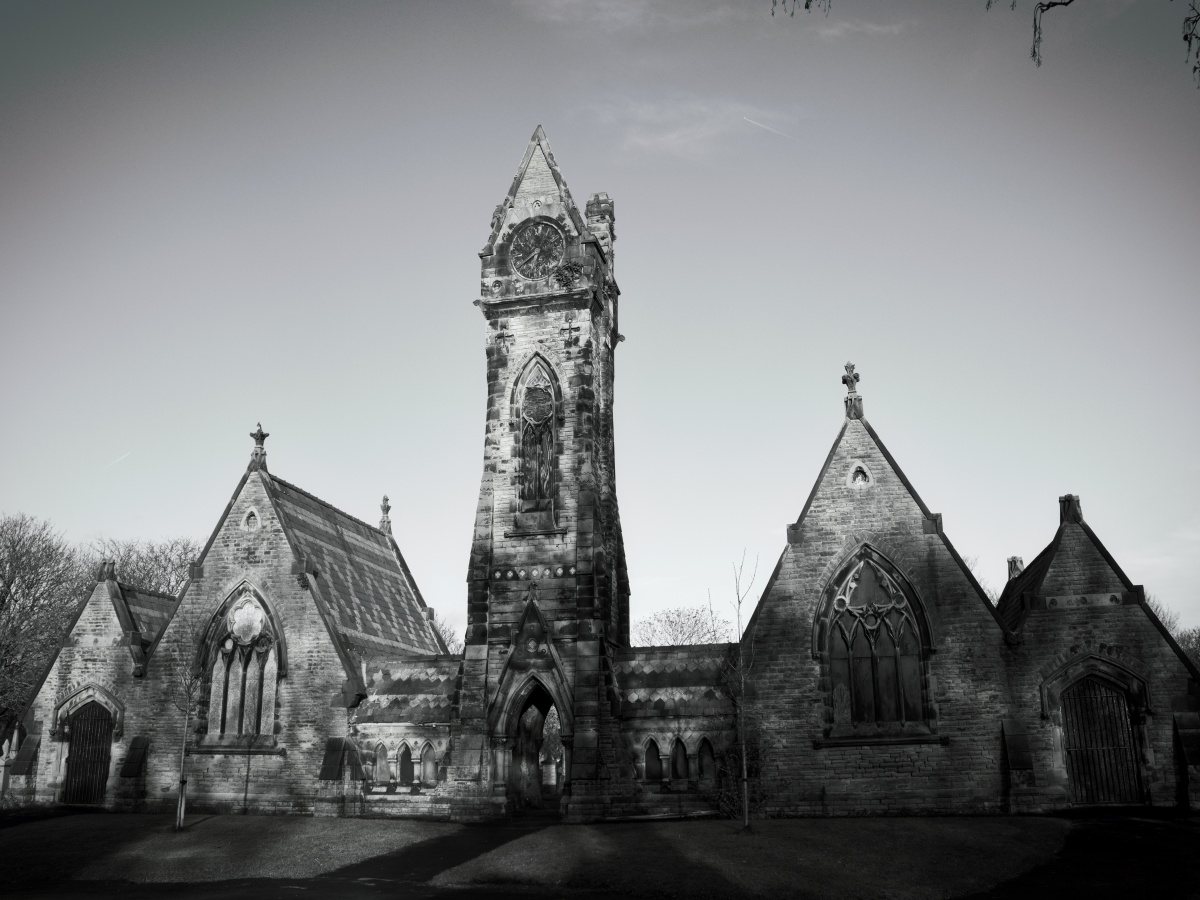
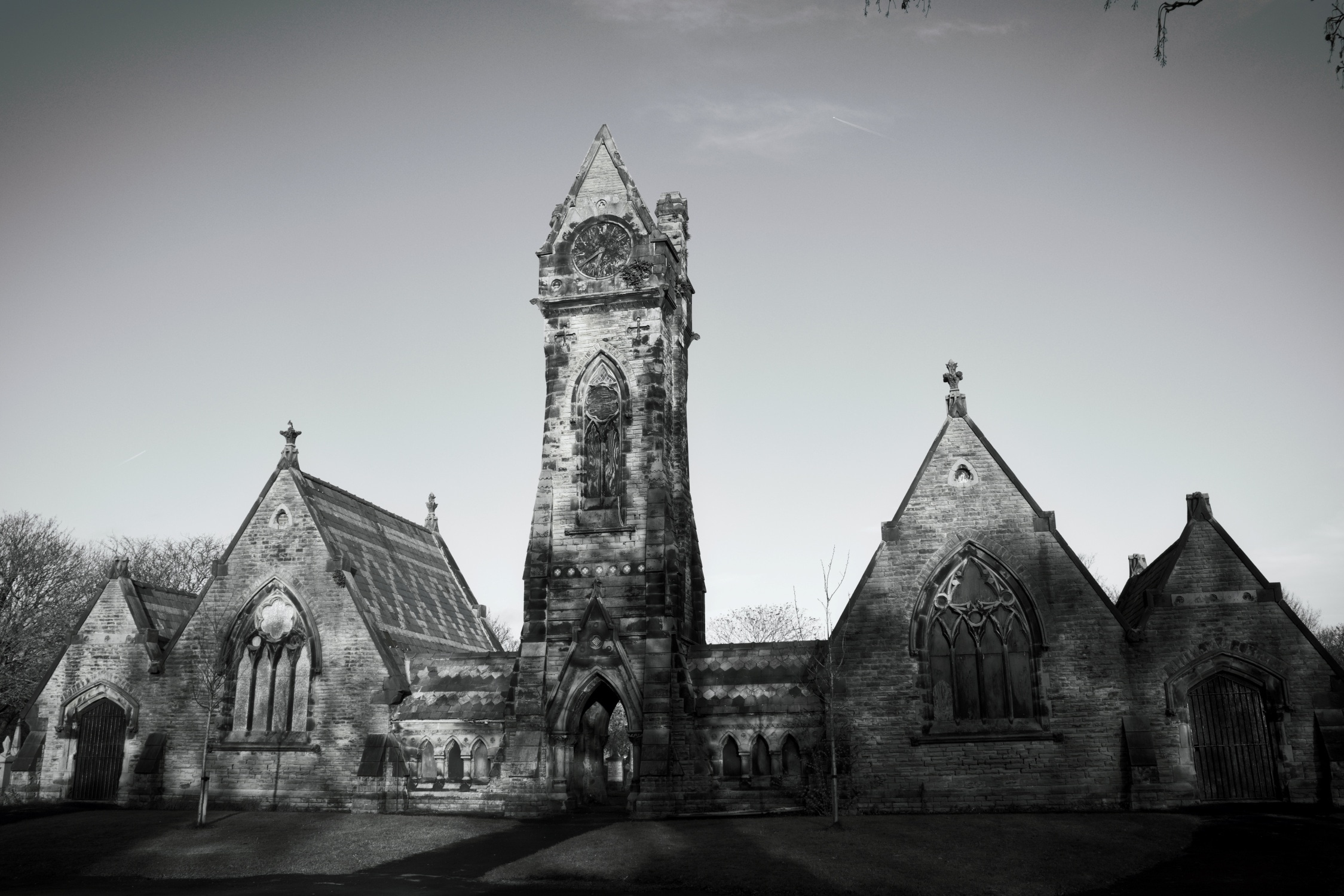
Near the entrance is a pair of cemetery chapels joined by cloisters and a central clock tower. Built c. 1865 for the Southport Improvement Commissioners, the sandstone complex was designed in the High Victorian Gothic style. One chapel was later used for storage. The complex was listed at Grade II in 1999.
A separate Roman Catholic cemetery chapel stands to the north. Probably built in 1865, it is a sandstone building in the Early English Gothic style, with an apse, porch, and vestry. The disused chapel was listed at Grade II in 1999.
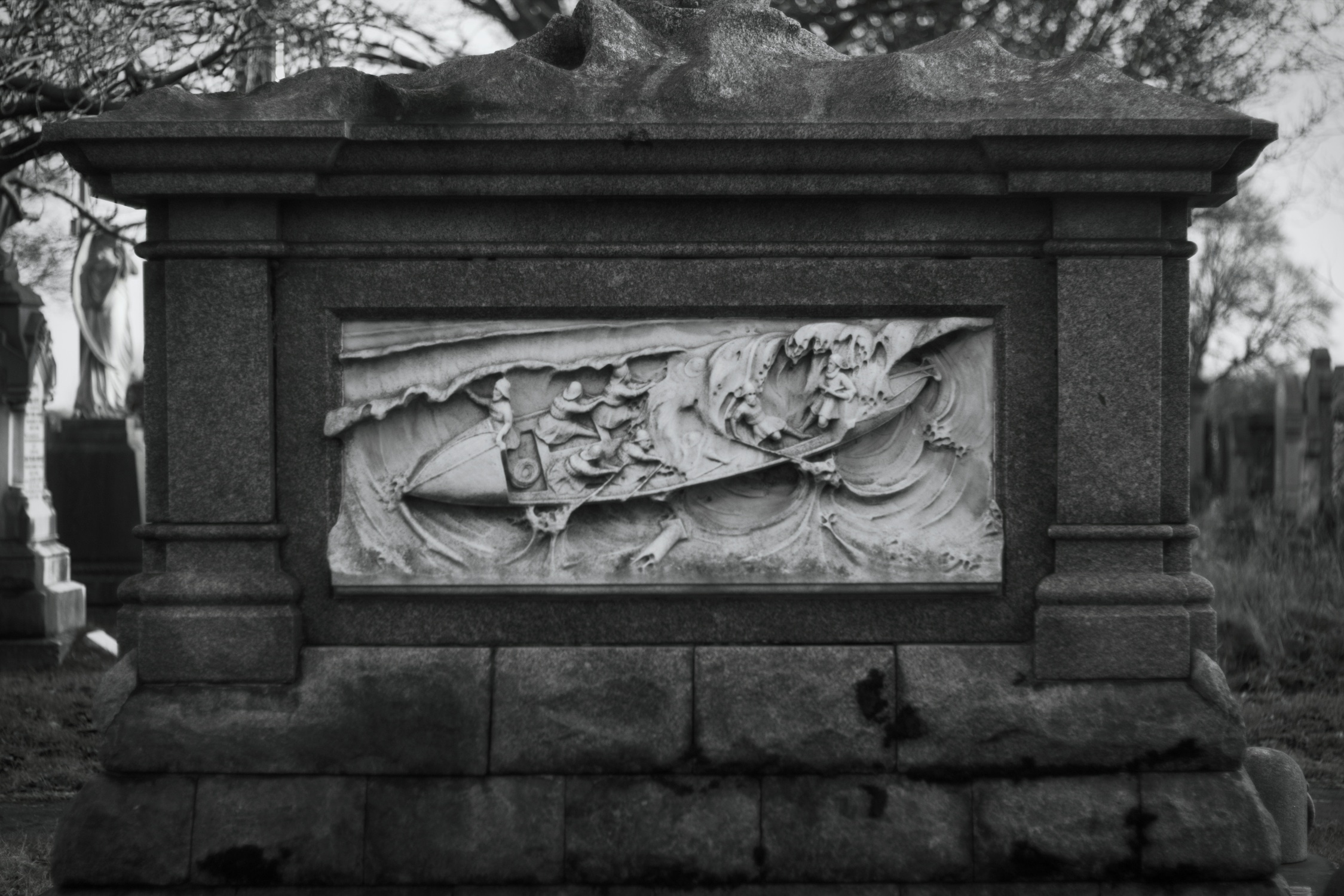
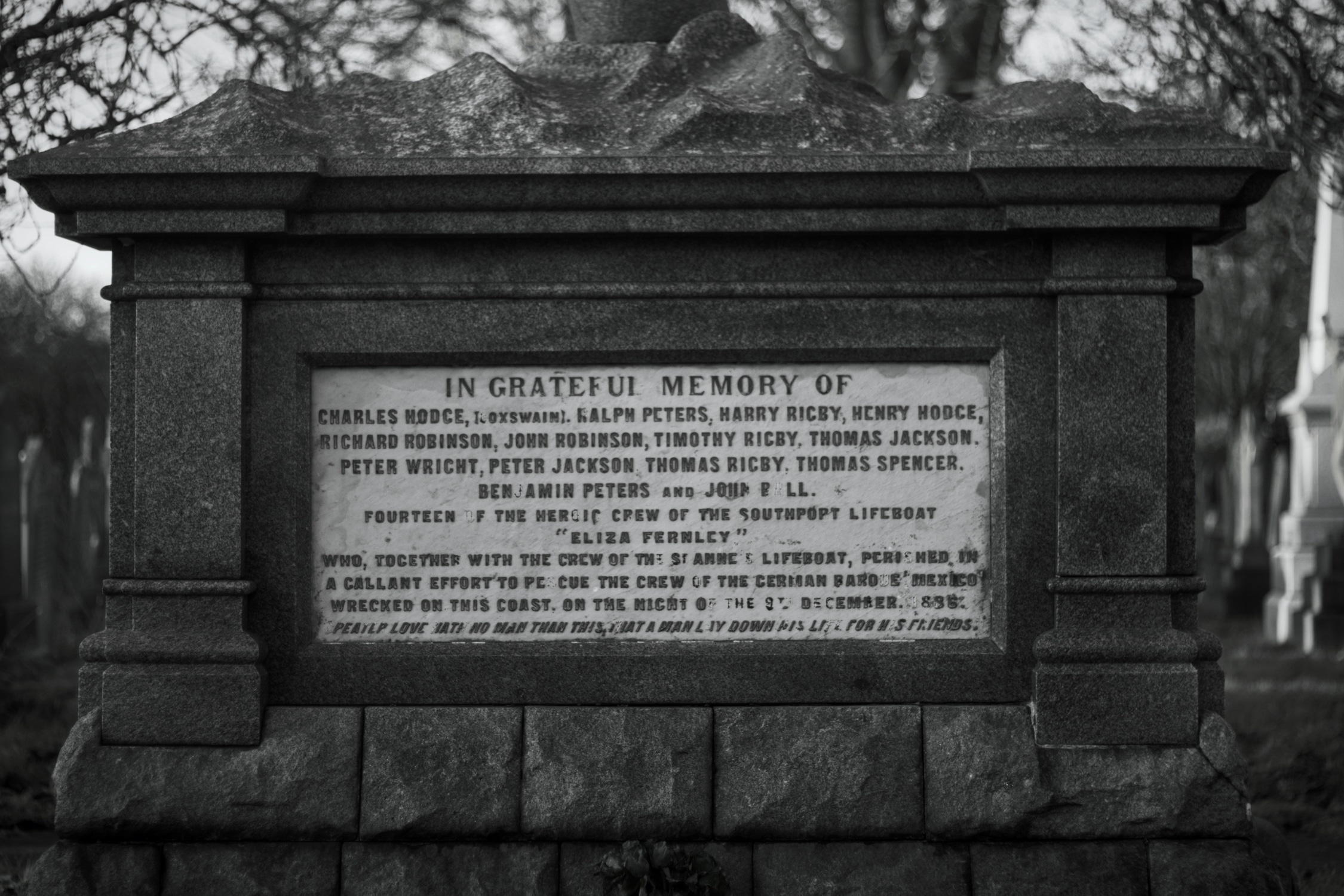
The cemetery has a memorial to the 14 crew members of the Southport lifeboat Eliza Fernley, who died on 9 December 1886 while attempting to rescue the crew of the German barque Mexico. Erected c. 1888 – c. 1890, it was designed by architect Ernest Walter Johnson and sculpted by Thomas Robinson.
Notable Interments:
- Setta Axon (1870–1910), German-born British social worker
- William Richard Lavender (1877–1915), English painter